Thai Rice Noodles with Mustard Greens

A quick and easy Thai noodle dish that works really well with this Thai-style curried catfish, another quick and easy dish.

8 oz. wide, flat Thai rice noodles
2 Tbsp. vegetable oil
1 large clove of garlic
Approximately 2-inch round piece of fresh ginger
1/2 lb. mustard greens
2 Tbsp. oyster sauce
2 tsp. Asian fish sauce
Salt & pepper to taste
2 green onions
2 red chilies, seeded and sliced thinly on the diagonal
1/4 cup plucked cilantro (fresh coriander) leaves
2 limes, cut into wedges

Soak the dry noodles in hot water for 20 minutes or until softened. Drain before cooking.

Rinse the mustard greens well, then slice the stems and leaves 1-inch wide. Finely chop the garlic. Peel and thinly slice the ginger, then stack the slices and shred them finely. Cut the green onions into 1/4-inch lengths.

Ten minutes before serving time, heat a large frying pan or wok. Add the oil, garlic and ginger. Stir and fry until fragrant, then add the mustard greens. Stir for five minutes or so, until the mustard greens have reduced in size but aren’t yet wilted.

Add the oyster and fish sauces, plus a couple of tablespoons of water, and stir. Add the drained noodles, green onions, red chilies, and stir. Check for seasonings and add salt and pepper if needed.

When ready to serve, garnish with cilantro leaves.

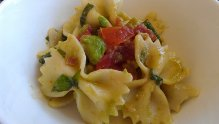
Avocado-Basil Pasta Salad

A great salad for the summer because it uses fresh ingredients. You could also serve this as a hot pasta dish, but I prefer it cold as a pasta salad. It’s a great idea for a summer lunch. Thanks to my friend Ashley for the recipe!

Serves 4-5

8 oz.dried bow tie pasta
2 medium avocados, halved, pitted, peel removed, and coarsely chopped*
6 slices bacon, cooked until crispy, then placed on a paper towl to drain
1/2 red tomato, roughly chopped
2 Tbsp. lemon juice
1 Tbsp. olive oil
2 cloves garlic, minced
1/4 tsp. ground black pepper
1/8 tsp. salt
1/2 cup grated Pecorino Romano or Parmesan cheese
Cook the pasta according to package directions, turning off the heat 1 minute before it’s done.
While the pasta is cooking, combine everything else but the cheese in a bowl. Add the pasta and mix. Top each serving with cheese.
If you’re serving this cold as a pasta salad, place it in the refrigerator for at least a few hours before serving.
* For the avocados, choose those that are black and not green, because black ones are ripe. Slice them in half all the way around, then turn the two halves in different directions to loosen them from the pit. Remove the pit. To remove the peel, either gently pop the avocado half out of the peel (don’t force it), or use a sharp knife to make small cuts at the edge of the peel and carefully lift the peel away in sections.

Malaysian Rendang Curry with Tofu

This is a great curry dish similar to delicious takeout versions, with a curry paste made from scratch. Making this was also the first time I ever got the tofu right in a dish I cooked at home.

The recipe comes from a booklet I picked up at a supermarket in London (I’m pretty sure it was the John Lewis Food Hall on Oxford Street, where I shopped nearly every other day on the way home from work!). It was printed by a tofu company, and looking now on their website, I see they have lots of other good-looking recipes there. No doubt I’ll be trying those very soon, especially now that I know how to cook tofu.

Serves 4

300g (10.5 oz.) firm tofu
3 Tbsp. dessicated coconut
2 garlic cloves, minced
3 shallots, sliced
2 stalks lemongrass, peeled and sliced (or substitute 1 inch of lemongrass paste from a tube)
1 Tbsp. chili flakes
2 Tbsp. fresh ginger, grated
1 tsp. turmeric
1 tsp. salt
1 tsp. sugar
1 can coconut milk
125 ml (1/2 cup) water
1 tsp. tamarind pulp, dissolved in 1 Tbsp. water (pulp available at Asian supermarkets)
1 Tbsp. Chinese five-spice powder
1/2 red pepper, diced
2 Tbsp. cilantro (fresh coriander), roughly chopped, plus extra for garnish

First, prepare the tofu. Rinse the block and wrap in a dishtowel, then place it on a plate with a cutting board on top. Put something heavy like a big cookbook on top to press out the water.

After about 10 minutes or so, unwrap the tofu and cut it into cubes. Heat a non-stick pan over medium to medium-high heat and fry the tofu pieces, turning often, until browned. Set aside.

Separately, heat a small, dry frying pan and add the coconut. Toast until lightly golden.

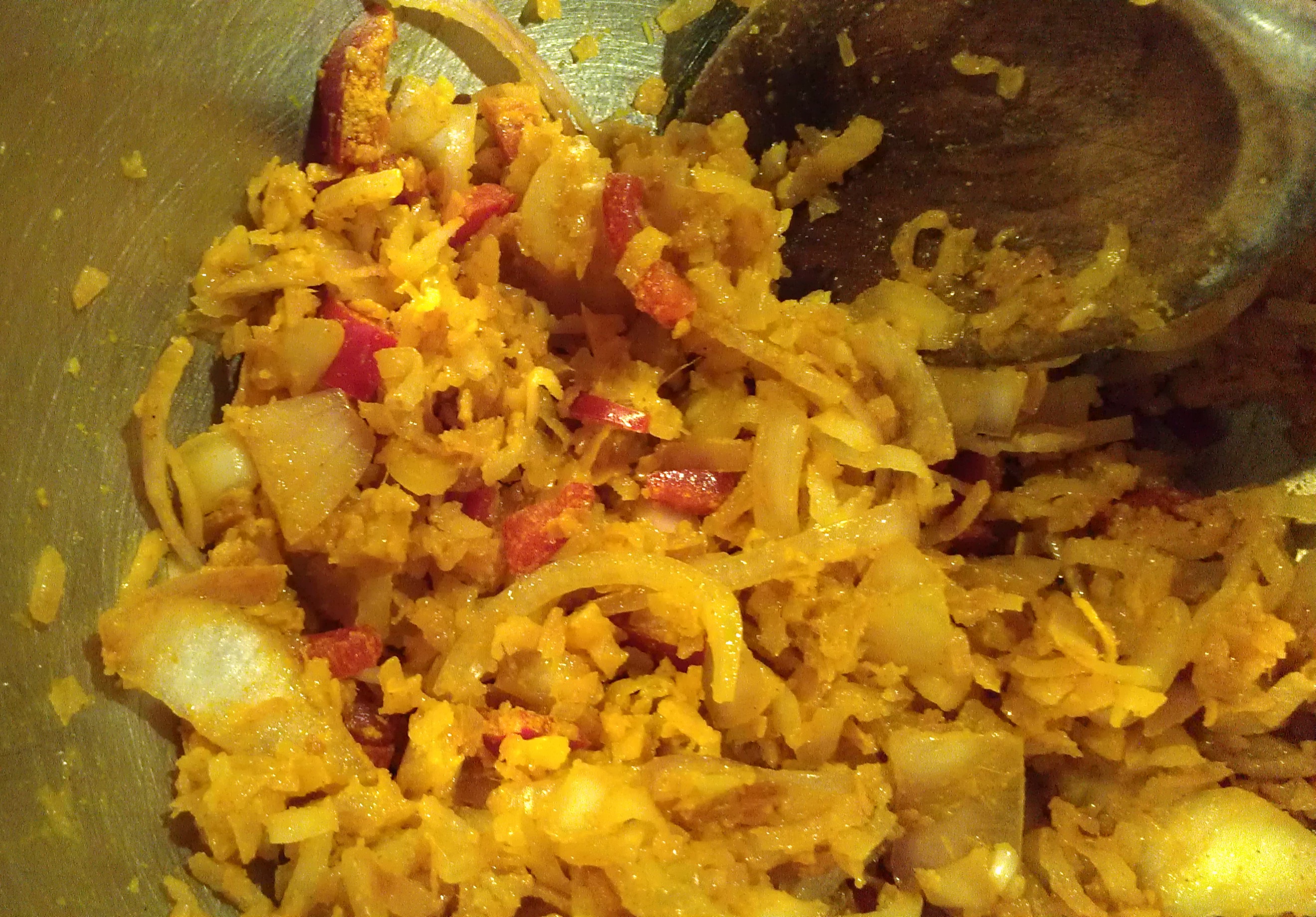
In a bowl, blend together the coconut, garlic, shallots, lemongrass, chili flakes, ginger, turmeric, salt, and sugar.

Heat a small amount of oil in a large pot or deep frying pan. Add the paste and stir for a few minutes until fragrant.

Add the coconut milk, water, tamarind water, and five-spice powder, then bring to a boil, stirring constantly. Reduce heat and stir for another five minutes, then add the tofu and red pepper. Continue to cook gently for another 10 minutes, then stir in the cilantro.

Serve atop steamed rice (jasmine or even basmati). Garnish with cilantro.

Swiss Chard & Sausage Lasagna

This lasagna is simply amazing. It tastes as special as the name implies, with a few small ingredients making the difference to the overall flavor. It is also straightforward to make — if you plan well. (More on that below!)

The recipe had been sitting loose in my binder since I ripped it from a magazine a couple of years ago. I plugged away at it quite happily until I realized it was from Martha Stewart Living. I never have luck with her recipes, and I was sure it would be a disaster, now that I noticed it was hers. But I was so far down the road at that point that I had to finish, and I’m happy to say it is now my first Martha Stewart recipe success.

One note about the cheese: It calls for fontina, which I couldn’t find when shopping, and I was at a loss to think of a substitute. (There probably isn’t one.) It sounds terrible, but I ended up using sliced white American cheese because I unapologetically like it and thought it would melt well. It was fine. I would use fontina if I can find it in the future, but I wouldn’t be ashamed to use white American again.

Use a 13×9-inch pan.

For the filling:
14 oz. lasagna
2 Tbsp. olive oil
1 1/4 lbs. sweet Italian sausage, casings removed and meat crumbled into pieces (in a pinch, I used bratwurst sprinkled with oregano)
3 lbs. Swiss chard, stems removed and leaves cut crosswise into 1/4-inch strips
3 shallots, peeled, halved lengthwise, and sliced
3 garlic cloves, thinly sliced
1 Tbsp. finely grated lemon zest (crucial!)
1 tsp. salt
Freshly ground pepper
2 Tbsp. fresh lemon juice

For the bechamel:
5 Tbsp. unsalted butter
1/2 onion, diced fine
1 1/2 tsp. salt
1/2 tsp. red pepper flakes (crucial!)
1/3 cup all-purpose flour
4 1/2 cups milk
8 oz. fontina cheese, grated

With a baby around, I had to make this in distinct stages, which may also be useful for people without a lot of time on their hands in general. Here are the steps I used:

1. Get everything prepared: Take the sausage from its casings and crumble it into a bowl. Wash and drain the Swiss chard, trim and cut it, then put it in a bowl. Cut the shallots and garlic and put them into another bowl. Grate the lemon zest, then put it into a small bowl with the salt and pepper. Cut the onion for the bechamel sauce and save it separately.

2. Cook the noodles: Put the lasagna noodles into a large pot of boiling water for nine minutes. Remove the noodles immediately so they don’t stick to each other, and set them aside. (If it will be more than a few hours until you use them, put olive oil in your hands and stack the cooked noodles so a little bit of oil gets smeared on each one, then refrigerate.)

3. Cook the fillings: Heat the oil in a large saute pan over medium-high heat. Fry the sausage until browned, then transfer onto a paper-towel-lined plate. Reduce heat to medium and add the shallots and garlic to the drippings in the pan. Cook until softened, about 4 minutes, then add the chard. Cook, stirring frequently, until it just starts to wilt, then add the lemon zest with salt and pepper. Cook, stirring often, until the chard wilts completely. Stir in lemon juice, then drain in a colander.

4. Bechamel: Once you cook this, you must immediately proceed to step 5 and bake the dish, otherwise the sauce will be ruined. So melt the butter in a medium saucepan over medium heat. Add the onion, salt, and red pepper flakes and cook, stirring occasionally, until the onions are slightly translucent. Stir in the flour and cook, stirring, for a minute. Whisk in the milk a little at a time, until incorporated. Bring to a boil, stirring often, then reduce heat and simmer until thickened, stirring often, about 10 minutes.

5. Layer the ingredients in the pan: Put a small amount of bechamel in the bottom of the baking pan, tilting the pan around until the bottom surface is covered. Put down a layer of lasagna noodles. Spread half of the chard mixture evenly on top, then half of the sausage mixture, and half of the remaining bechamel. Lay down more noodles, then top with the rest of the chard, sausage, and almost all of the bechamel. Lay down the rest of the noodles, pour the rest of the bechamel on top, then cover with cheese.

Bake until the cheese is golden brown and bubbling, 30-45 minutes. Let cool slightly before serving.

Yellow Squash Minestrone

When we lived in London, we had a wonderful selection of fresh produce from all across Europe and Africa, but one thing I always missed was the yellow squash we have here in the South. Zucchini (or courgettes, as they are known in the UK) was a substitute, but I still missed the squash, which I have loved since I was little.

Now that we’re back, I’m buying it whenever I can. The other day, I came upon a farm stand selling yellow squash grown in Lawrenceville, just outside Atlanta. I bought a punnet and can’t wait to use it.

I also made this recipe, which I think is a great soup for spring. It’s another one that I’d never tried, despite it being in my cookbook for years. And now that we’re back in the beautiful South, I was finally able to make it — and it turned out great.

Makes 6 servings

1 1/4 cups chicken broth
1 medium onion, diced
2 medium carrots, peeled and sliced
1 green pepper, seeded and diced
1 1/2 cups small pasta, like ditalini or stellini
2 tsp. dried oregano
1 tsp. dried thyme
3 medium to large yellow squash, diced
1 28-oz. can whole peeled tomatoes, undrained but chopped
4 to 6 cups vegetable broth or water
1 15-oz. can white beans, like Great Northern, drained
Salt and pepper to taste

Heat the chicken broth in a stock pot and add the onion, simmering until soft, about 5 minutes.

Add the carrots, green pepper, pasta, herbs, squash, tomatoes, vegetable stock, and beans; simmer, covered, for 15 to 20 minutes. Add enough stock or water to the pot to make the mixture as soupy or as thick as you like. Add salt and pepper to taste and serve.

Spaghetti al Crudo

Literally, spaghetti with a raw, or uncooked, sauce. It’s typically made with tomatoes, capers, olives, and anchovies. It’s a great dish to make during the summer because it requires a minimum of cooking and uses beautiful, fresh, quality ingredients. I made it over the weekend as a sort of last goodbye to the warm weather this year.

This recipe comes from London star chef Giorgio Locatelli. He says that on a hot day in Italy, many people add a tin of tuna to the sauce.

Serves 4

2 Tbsp. capers (baby ones if possible — if they’re very large, chop them up a little)
4 Tbsp. pitted back olives, quartered
5 anchovy fillets, finely chopped
2 very large tomatoes, or 3 smaller ones (the best quality you can find), finely chopped
2 Tbsp. tomato passata
400g spaghetti
1 bunch basil
5 Tbsp. olive oil

Put all the ingredients except the spaghetti, basil, and half the oil in a wide bowl and mix together, but don’t heat. Taste and season with salt and freshly ground pepper — though go easy on the salt, as the anchovies will add plenty.

Bring a large pot of water to boil, then drop in the pasta. Cook it for about a minute less than the time given on the package so it will be al dente.

While the pasta is cooking, place the bowl with the tomato mixture over the top of the pasta pot, so that the ingredients gently heat without being cooked.

When the pasta is cooked, drain it, but reserve the cooking water. Add the pasta to the bowl with the tomato mixture and toss, then add the rest of the oil and toss again. Add a touch of the cooking water if needed to loosen. Tear the basil leaves, sctatter on top, and toss again. Serve immediately.

Rotini in Herbed Balsamic Tomato Sauce

This is a different spin on the standard tomato sauce for pasta. The herbs and balsamic give it a deeper flavor, and the zucchini (courgettes) is a subtle way to work in some vegetables. It’s easy, tasty, and looks good on the plate, making this an ideal weekday dish.

4 sun-dried tomato halves
1 Tbsp. olive oil (or slightly more)
2 garlic cloves, minced
1 large zucchini (courgette), diced
2 cans peeled plum tomatoes, with liquid
1 tsp. (or more) dried rosemary
1 tsp. (or more) dried oregano
8 oz. dried rotini pasta
1 Tbsp. balsamic vinegar
Salt and pepper to taste
Grated Parmesan cheese to taste

Cover the sun-dried tomatoes in boiling water and soak for 10 minutes or so. Drain and chop.

Heat oil in large pan over medium-high heat, then add the garlic. When fragrant, add the zucchini and cook, stirring frequently, for a few minutes. Add the sun-dried and plum tomatoes, along with the herbs. Cook 15-20 minutes or until sauce is thickened, stirring often and breaking up the tomatoes with the spoon.

When the sauce is done, turn off the heat and add the balsamic vinegar. Stir to combine. Taste and season as desired with salt and pepper, then serve over pasta. Have cheese at the table to put on top.

Pasta con Salsa di Pignoli

This is an easy, no-cook, creamy sauce for pasta that works perfectly for these hot summer nights. The pine nuts (pignoli) add some crunch and protein. You can use either fat-free or regular dairy ingredients, and you can serve it atop any kind of pasta you like — although I favor linguine for this one.

The raw garlic is strong, so leave it out if it’s too much for you, but I personally loved the kick it added to the sauce.

Serves 3

300g (10.5 oz.) linguine
1/2 cup milk
170g (6 oz.) cottage cheese
1 large clove garlic, minced
6 Tbsp. pine nuts, plus extra for garnish
Dried oregano
Salt
Black pepper

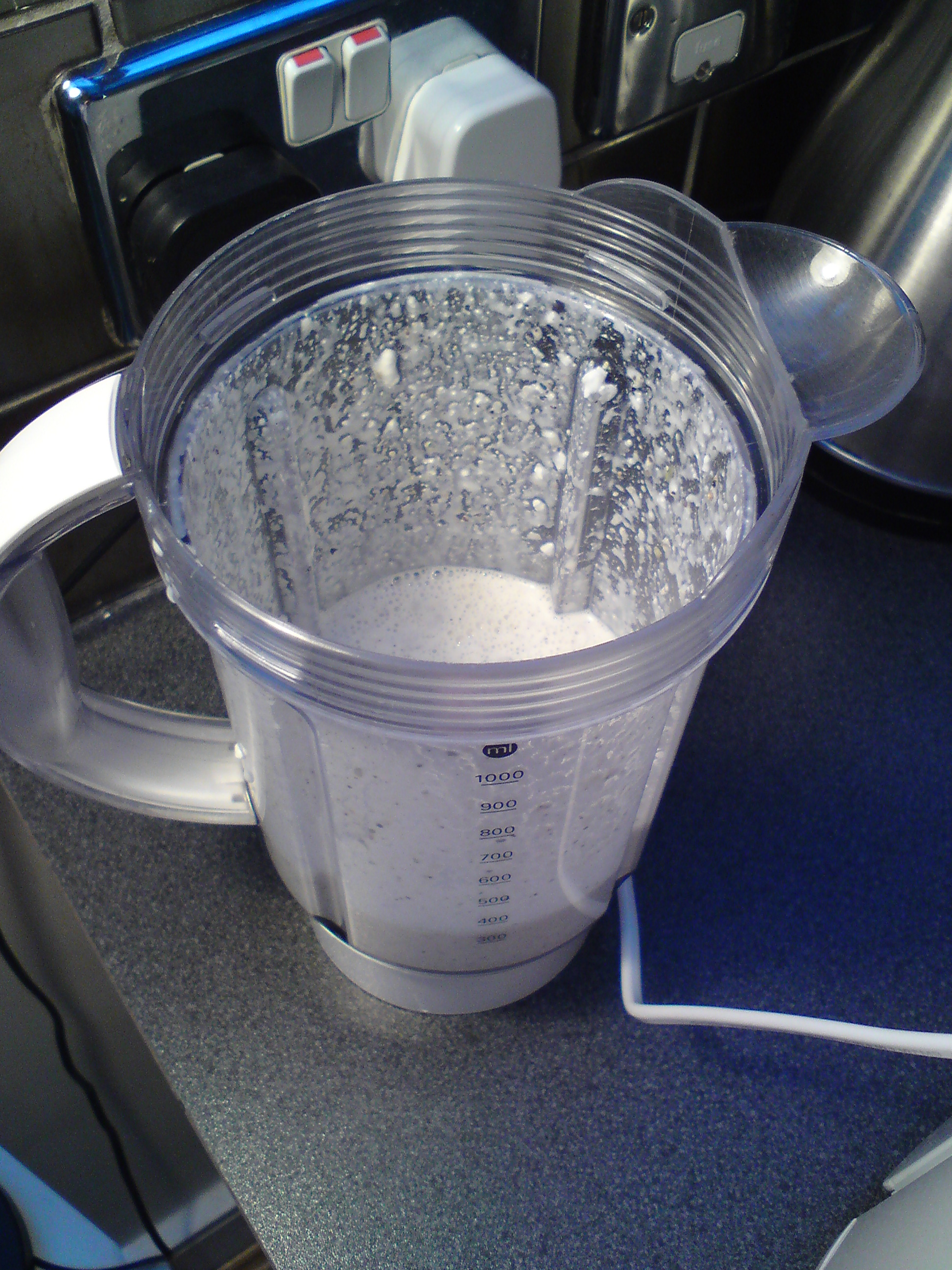
Set a large pot of water to boil for the pasta. Put the rest of the ingredients in a blender and mix until combined.

Cook the linguine in the water. When it’s done, drain it, then quickly whiz the sauce ingredients in the blender again. Arrange the pasta on plates and pour the sauce on top. Sprinkle a small handful of pine nuts on top, along with some more oregano. Serve immediately.

Asian Stir-Fry Sauce

The recipe for a good, basic stir-fry sauce has eluded me for a while, but I have finally found one I like. It takes just a couple of minutes to make and has just what I want in a sauce — something that clings to the ingredients and gives it a spicy, salty, and slightly sweet Asian flavor.

This is perfect for those bags of pre-cut stir-fry vegetables you see in the produce aisle of the supermarket. Add bean sprouts, edamame beans, or tofu for a great vegetarian meal, then serve it all on top of rice or rice noodles. It is for me the perfect weekday meal — quick and nutritious, with enough for leftovers (to save time the next day!).

I adapted the recipe from one I found at about.com.

Serves 4

2/3 cup chicken stock
5 Tbsp. dark soy sauce
2 Tbsp. lemon juice
2 tsp. agave syrup (you can substitute honey)
Something for heat — whether minced red chili, a dash of chili sauce, or a sprinkling of cayenne pepper
4 tsp. cornstarch (cornflour) dissolved in 1/2 cup water
4 cloves garlic, minced

Place the first five ingredients in a saucepan over medium-high heat. When it begins to bubble, reduce the heat slightly and add the cornstarch mixture and garlic. Stir until the sauce thickens slightly. Taste and adjust the flavors as needed.

How to use it:
Make the sauce as you cook the rice and before you start cooking the vegetables. When you’re ready, stir-fry the vegetables in a little oil. When the pan becomes dry, add a few spoonfuls of the sauce and stir to coat the vegetables. Keep cooking until the vegetables have softened but still retain some crispness. Add the remaining sauce and mix until everything is coated. Serve immediately over rice.

Pesto Risotto with Lemon

Serves 4 as side dish, 2 as main dish

1 Tbsp. olive oil
1 onion, finely chopped
250g arborio risotto rice
Good splash of white wine
850ml hot vegetable stock
Finely grated zest of 1/2 lemon; cut the other half into wedges to serve
4 Tbsp. basil pesto (a good store-bought kind is fine)
40g grated Parmesan, plus extra to serve

Heat the oil in a large pot over medium heat. Add onion and cook, stirring, for 5 minutes.

Add the rice, stir for 1 minute, then pour in the wine and bubble until evaporated. Start adding the stock, about 1/3 cup at a time, stirring constantly until it has boiled away. Repeat until you have used up all the stock and the risotto is creamy and al dente.

Stir in the lemon zest and pesto and cook for 1 minute. Remove from the heat, stir in the grated Parmesan and season to taste.

Serve with a lemon wedge at the side of each plate and parmesan in separate dish on the table.

Other ideas for garnish: a couple of wide, thin parmesan shavings; a sprig of fresh basil; a scattering of pine nuts (these are high in protein, so they’re a good choice if you’re making this a vegetarian meal).